
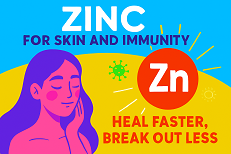
We often chase complex solutions for our health, overlooking the powerful, simple minerals working behind the scenes. Zinc is one such unsung hero. This essential trace element is a cornerstone of our well-being, operating like a master conductor for countless processes within our bodies. Consequently, understanding its role could be the key to unlocking a more resilient you.
This guide will move beyond the basics. You will discover a practical, evidence-informed path to harnessing zinc for radiant skin and a robust immune system.
What Exactly is Zinc, and Why Does Your Body Crave It?
Think of zinc as the indispensable foreman on your body’s cellular construction site. It oversees over 300 enzymatic reactions, meaning it’s crucial for the fundamental processes that keep you alive and thriving. Your body cannot produce or store it, making daily intake through diet or supplementation non-negotiable. Furthermore, it acts as a critical co-factor for proteins that regulate gene expression, essentially turning the keys that unlock your DNA’s instructions for health.
Without sufficient zinc, these cellular projects stall. The result? Systems start to falter, particularly those that regenerate quickly—like your skin and immune cells.
The Cellular Architect of Your Immune Defense
Your immune system is your personal army, and zinc is its chief strategist and weapons manufacturer. It doesn’t just boost immunity; it fine-tunes it. This mineral is vital for the normal development and function of cells that mediate your innate immunity, your first line of defense. For instance, neutrophils and natural killer cells rely on zinc to mount an effective attack against pathogens.
Additionally, zn plays a pivotal role in the adaptive immune system. Here, it helps create and activate T-lymphocytes, the specialized cells that remember previous invaders to mount a faster, stronger response upon re-exposure. A deficiency, therefore, can leave you vulnerable to frequent and prolonged illnesses.
Your Skin’s Secret Weapon for Repair and Renewal
Your skin is your largest organ, constantly shedding and regenerating. This rapid cell turnover demands a steady supply of zinc. It serves as a fundamental cofactor for enzymes involved in protein synthesis and cell division. Essentially, Zn provides the very tools your body needs to build new skin cells.
Moreover, this mineral is a potent anti-inflammatory agent. It helps calm the underlying redness and irritation associated with common skin concerns. Its role, however, extends even further to direct antioxidant protection, safeguarding your skin cells from free radical damage that accelerates aging.
Can Zinc Truly Help You Conquer Acne?
The link between zinc and clearer skin is supported by a growing body of research. Its multi-faceted action makes it a formidable opponent against acne. Primarily, Zn modulates sebum production, helping to prevent the oily environment where acne-causing bacteria thrive. It doesn’t necessarily dry out your skin; instead, it encourages balance.
Furthermore, its powerful anti-inflammatory properties directly target the red, swollen, and painful bumps characteristic of inflammatory acne. Think of it as calming the internal fire. Some forms of Zn, like zinc acetate, also possess mild antimicrobial activity against C. acnes bacteria. Therefore, by tackling oil, inflammation, and bacteria simultaneously, Zn offers a comprehensive approach to managing breakouts.
Accelerate Your Body’s Natural Healing Process
Have you ever noticed a wound that seems to take forever to heal? A zinc deficiency could be a contributing factor. This mineral is absolutely critical for every stage of the wound healing cascade. From the initial clot formation to the final remodeling of new tissue, zinc is there, directing the cellular traffic.
It is essential for collagen synthesis, the structural protein that forms the foundation of new skin. It also supports immune function at the wound site, preventing infection while promoting cell growth. Consequently, ensuring adequate Zn levels can help cuts, scrapes, and surgical incisions close more quickly and cleanly.
Are You Running Low on This Essential Mineral?
Recognizing a Zn deficiency can be tricky, as symptoms are often vague and overlap with other conditions. Our bodies don’t have a large Zn reserve, so consistent intake is key. Certain groups are at higher risk, including vegetarians, vegans, pregnant women, and individuals with digestive conditions like Crohn’s disease.
Common signs to watch for include:
- Frequent colds and infections signaling a struggling immune system.
- Unexplained hair loss or thinning.
- Persistent skin issues like acne, eczema, or slow-healing wounds.
- A loss of taste or smell.
- Diarrhea, which is both a cause and a consequence of deficiency.
Fueling Your Zinc Levels: A Plate-Based Strategy
The most effective and safest way to maintain healthy Zn levels is through your diet. Fortunately, many delicious and nutritious foods are packed with this vital mineral. Animal-based sources generally provide Zn in a more readily absorbable form called heme zinc.
Excellent dietary sources include:
- Oysters, which offer by far the highest concentration per serving.
- Red meat and poultry, providing a highly bioavailable source.
- Pumpkin seeds and chickpeas, fantastic plant-based options.
- Fortified cereals and dairy products like yogurt and cheese.
For plant-based eaters, soaking beans, grains, and seeds can reduce phytates, compounds that inhibit zinc absorption.
Navigating the World of Zinc Supplements
While food should always be your first source, supplementation can be a practical tool for some. If you struggle to meet your needs through diet alone or have a confirmed deficiency, a supplement can help bridge the gap. The key is to choose wisely and use them responsibly.
Numerous forms are available, each with different absorption rates and uses. Zinc picolinate and zinc citrate, for example, are known for their high bioavailability. Conversely, zinc gluconate is often found in popular lozenges for immune support.
Selecting the Right Zinc for Your Health Goals
Your specific goal should guide your choice of supplement. Different forms excel in different areas, so a targeted approach yields the best results.
- For Overall Absorption and Immunity: Zinc picolinate is a top contender due to its efficient uptake by the body.
- Soothing Skin and Acne: Zinc gluconate and zinc sulfate have been widely studied and shown to be effective for reducing inflammation and bacterial load.
- For Quick Immune Support: Lozenges containing zinc acetate or zinc gluconate can be beneficial at the first sign of a cold.
Always consult with a healthcare provider before starting any new supplement regimen to determine the right type and dosage for you.
Striking the Perfect Balance for Optimal Wellness
More zinc is not always better. In fact, excessive zinc intake—typically from high-dose supplements—can lead to toxicity and cause adverse effects. These can include nausea, vomiting, loss of appetite, and even copper deficiency, which can impair immune function and cause anemia.
The safe upper limit for adults is 40 mg per day. Therefore, you should not routinely take a high-dose supplement unless under medical supervision. A balanced diet combined with a modest supplement if needed is the most sustainable strategy for long-term health.
Integrating Zinc into Your Daily Routine for Visible Results
To truly harness the power of zinc, consistency is everything. This isn’t a quick fix but a foundational element of your health. Start by auditing your plate, incorporating at least one zinc-rich food into every meal. A sprinkle of pumpkin seeds on your salad, a serving of Greek yogurt, or a piece of lean beef can make a significant difference.
If you opt to supplement, take it with a meal to minimize potential stomach upset. Additionally, be patient. While some immune benefits may be relatively quick, the visible improvements in your skin’s clarity and healing capacity can take several weeks to manifest as your cellular turnover cycles through.
Your Journey to Resilient Health Starts Now
Zinc is far more than a single-purpose nutrient. It is a fundamental architect of your skin’s integrity and your immune system’s intelligence. By nourishing your body with adequate zinc, you empower it to defend itself with precision, repair itself with efficiency, and present itself with clarity. You are investing in your body’s innate ability to heal, protect, and thrive.
Take this knowledge and apply it. Listen to your body, fuel it wisely, and consider whether this mighty mineral could be the missing piece in your wellness puzzle. Your path to healing faster and breaking out less is well within reach.