
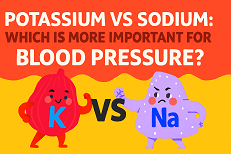
Blood pressure management isn’t just about cutting salt. It’s a story of balance — between potassium and sodium. Both minerals shape how much fluid your body retains, how blood vessels relax, and how your heart responds to stress. But when balance tips the wrong way, blood pressure surges.
This article breaks down the science and gives you practical, food-based ways to restore that mineral harmony.
The Hidden Tug-of-War Inside Your Cells
Every cell in your body acts like a tiny battery. Sodium lives outside these cells; potassium lives inside. Together, they regulate electrical signals that control muscle contractions — including your heartbeat.
When sodium levels rise too high, water follows it, increasing fluid in your bloodstream. That’s when blood pressure begins to rise. Conversely, potassium counters that effect by helping your kidneys flush out extra sodium.
In short: sodium tightens; potassium relaxes. The two dance in perpetual opposition.
Why the Modern Diet Tilts Toward Sodium
Most people today consume way too much sodium and not enough potassium. This imbalance is driven by modern eating habits — processed foods, restaurant meals, and convenience snacks.
A startling fact: over 70% of sodium intake in the average diet doesn’t come from the salt shaker. It comes from packaged breads, canned soups, sauces, and fast food.
Excess sodium makes the body hold water, adding extra pressure on artery walls. When sustained, this pressure strains the heart and vessels — a precursor to hypertension.
- Foods high in sodium: sauces, deli meats, chips, pizza, instant soups
- Common mistake: thinking “no added salt” foods are sodium-free
Balancing that starts by looking at potassium, the natural counter-mineral.
Potassium: The Silent Defender Against Hypertension
Potassium is often underrated, yet it’s your body’s built-in pressure regulator. It helps relax blood vessel walls and supports the kidneys in excreting sodium more efficiently.
When you eat enough potassium-rich foods:
- Blood pressure levels tend to normalize.
- Stroke and heart disease risks drop.
- Muscle cramps and fatigue decrease.
Studies consistently show that higher potassium intake — especially from fruits and vegetables — reduces the risk of hypertension, even when sodium remains constant.
Unfortunately, most people consume less than half the recommended intake (about 3,500–4,700 mg per day).
What Happens When Potassium Runs Low
Low potassium levels, or hypokalemia, can quietly wreak havoc. The initial signs may appear harmless — muscle weakness, tiredness, or irregular heartbeats — but over time, deficiency adds pressure on arteries and worsens fluid retention.
It also changes how your body reacts to sodium. Inadequate potassium makes every salty meal even more damaging.
That’s why improving potassium intake is not just supportive — it’s corrective.
How Sodium Sneaks Past Awareness
Health experts have long warned about sodium, but awareness doesn’t always translate into behavior. Many people think reducing table salt is enough. However, the sodium story runs deeper.
Hidden sodium lurks in:
- Breakfast cereals labeled as “healthy”
- Baking soda or packaged breads
- Sauces, condiments, and even desserts
Sodium works as a preservative and flavor enhancer. This means even low-fat or “heart-healthy” foods can undermine your blood pressure goals.
Reading nutrition labels matters. Anything above 400 mg per serving deserves a pause — especially if consumed daily.
The Right Ratio: Restoring the Potassium–Sodium Balance
The real solution isn’t to cut sodium drastically; it’s to improve the ratio between potassium and sodium.
Research suggests that a potassium-to-sodium intake ratio above 1.0 dramatically lowers the risk of hypertension and cardiovascular diseases. Most modern diets sit around 0.4 or lower.
To restore balance:
- Add potassium-rich foods daily.
- Reduce reliance on processed sodium-heavy meals.
- Cook fresh meals using herbs, lemon, and spices rather than salt blends.
Better potassium intake doesn’t just lower blood pressure; it also improves fluid balance, nerve function, and glucose metabolism.
Best Everyday Foods to Raise Potassium Naturally
You don’t need supplements to fix the problem — nature has plenty to offer. The best approach is a variety of whole, minimally processed foods.
Top potassium-rich foods include:
- Bananas, oranges, and pomegranates
- Avocados and sweet potatoes
- Beans, lentils, and spinach
- Yogurt and coconut water
- Tomatoes, mushrooms, and cantaloupe
Even a single serving of lentils or avocado can provide over 15% of your daily potassium goal. Pairing these foods across meals maintains a steady mineral balance through the day.
Can You Have Too Much Potassium?
While more potassium is generally beneficial, excess from supplements or certain medical conditions (like kidney disease) can cause hyperkalemia — high blood potassium levels.
Symptoms include fatigue, irregular heartbeat, or numbness. People with kidney issues should always check with their doctor before increasing intake dramatically.
For healthy individuals, potassium from natural food sources rarely causes harm since kidneys regulate it efficiently.
Simple Habit Shifts for a Heart-Friendly Mineral Ratio
You don’t need a total diet overhaul. Small changes can achieve big health wins:
- Choose fresh over processed — one week at a time.
- Replace salty snacks with roasted chickpeas or fruit.
- Use herbs like basil, garlic, or lemon zest to flavor food.
- Blend green smoothies with spinach or banana post-workout.
- Keep track of sodium on labels; aim for under 2,300 mg/day.
These habits gradually improve potassium intake while gently lowering sodium load — no drastic restrictions needed.
Potassium vs Sodium: The Final Verdict for Blood Pressure
So, which mineral matters more? While both are vital, potassium plays the leading role in protecting your blood pressure. Sodium control still matters, but its effect depends on how much potassium you eat alongside it.
You can think of it this way:
- Sodium raises the tide.
- Potassium drains the excess.
Balancing both helps the heart work with ease, not strain.
For optimal cardiovascular health, aim for:
- About 3,500–4,700 mg of potassium daily.
- Less than 2,300 mg of sodium per day.
This mineral partnership isn’t a restriction — it’s a recalibration your heart will thank you for.
Key Takeaways
- Potassium counteracts sodium’s pressure-raising effects.
- Processed foods are the biggest source of excess sodium.
- A higher potassium-to-sodium ratio reduces hypertension risk.
- Whole fruits, vegetables, beans, and dairy are the best potassium sources.
- Moderate sodium and generous potassium together create the ideal balance for heart health.
Conclusion
Blood pressure health depends on a quiet equilibrium between two opposing forces — potassium and sodium. Rather than simply blaming salt, focus on restoring potassium’s powerful, protective role. Daily choices — a banana, a home-cooked meal, a handful of spinach — can shift the needle toward long-term heart strength.
It’s not just about what you cut; it’s about what you restore.
FAQs About Potassium, Sodium, and Blood Pressure
1. How does potassium help lower blood pressure?
Potassium removes excess sodium through urine, relaxes blood vessels, and eases the heart’s workload.
2. Can I just reduce sodium without increasing potassium?
You’ll get better results by balancing both — cutting sodium and adding potassium-rich foods.
3. What are the best sources of potassium?
Bananas, avocados, lentils, spinach, and yogurt are top natural potassium sources.
4. How much potassium should adults get daily?
Aim for 3,500–4,700 mg a day from whole foods unless otherwise advised by your doctor.
5. What is the ideal sodium-to-potassium ratio?
A ratio above 1:1 supports optimal blood pressure and heart health.
Disclaimer: This article provides general information and is not a substitute for professional medical advice.