
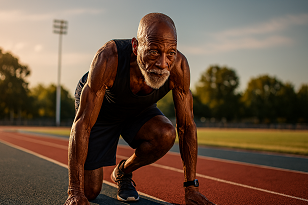
Many people worry about losing strength after 30. However, with the right training and nutrition, you can continue to perform well. In fact, athletic longevity after 30 means staying strong, agile, and confident for years.
Aging changes muscles, bones, and balance. Yet these changes can be slowed down. Through regular exercise, proper recovery, and smart eating, your body stays resilient. Therefore, the right approach today can create a stronger tomorrow.
Strength Training for Athletic Longevity After 30
Strength routines form the base of longevity. After 30, natural muscle decline can begin. However, resistance training can prevent it and even reverse some loss.
Why Strength Training Helps
- Protects muscle mass
- Improves joint stability
- Reduces fat gain
- Increases everyday energy
- Supports better posture
Power Routine Example
For lasting strength, focus on compound moves:
- Squats build lower-body control
- Deadlifts strengthen the whole chain of muscles
- Push-ups or presses engage the chest and core
- Pull-ups or rows give back and arm strength
- Kettlebell swings add explosive athletic power
Always warm up before starting. In addition, use correct form to prevent injury. Over time, gradually add resistance so that muscles adapt.
Balance Training and Athletic Longevity After 30
Balance is a key part of movement. Yet, it often fades with age. Therefore, balance exercises should be part of every plan.
Why Balance Matters
- Lowers the risk of falls
- Keeps daily movement smooth
- Improves athletic coordination
- Sharpens body awareness
Balance Drills
Try these simple routines:
- Stand on one leg for 20–30 seconds
- Walk in a straight heel-to-toe line
- Use yoga poses, such as tree pose
- Add stability ball or balance board drills
Even short daily practice creates results. As a result, your control improves, and fall risk goes down.
Bone Density Routines for Longevity
Bone density begins to decline after 30. However, training with resistance slows the process. Therefore, adding bone-strengthening routines is vital.
Exercises for Stronger Bones
- Weighted squats and lunges
- Step-ups on a small platform
- Jumps or light plyometric moves
- Resistance bands to strengthen the spine
Walking and running are useful too because they apply natural stress to the bones. As a result, the skeleton becomes stronger.
Nutrition for Bone Health
Support bones with calcium, vitamin D, and protein. In addition, include dark greens, nuts, dairy, fish, or fortified foods. Sunlight exposure also adds vital vitamin D.
Protein Timing and Athletic Longevity After 30
Recovery and growth depend not only on protein intake but also on when you eat it. Therefore, timing matters just as much as quantity.
Protein Timing Tips
- Eat 20–30 grams after workouts to help muscles recover
- Spread protein evenly through the day
- Mix protein with complex carbs for energy balance
- Avoid getting all protein in a single meal
Best Protein Sources
- Eggs and yogurt
- Lean chicken or fish
- Beans, lentils, and tofu
- Whey or plant-based powders
As a result, your body recovers faster, muscle repair improves, and aging is slowed.
Fall-Risk Reduction for Longevity
Falls are a main concern with age. However, targeted training lowers risks. Therefore, combining balance, core stability, and strength is essential.
Effective Exercises
- Lunges for coordination
- Step-ups for control
- Glute bridges for core strength
- Agility ladder drills for quick reflexes
Lifestyle Habits
- Wear supportive shoes
- Keep living areas free of clutter
- Use proper lighting at night
- Move slowly on slippery surfaces
By training and adjusting habits, you reduce falls. As a result, confidence grows, and athletic activity remains safe.
Weekly Plan for Athletic Longevity After 30
A balanced program combines strength, cardio, balance, and recovery. Therefore, mix different types of activity across the week.
Suggested Weekly Plan
- 2–3 days: Strength training for muscle and bone health
- 2 days: Yoga, Pilates, or balance sessions
- 1–2 days: Cardio, such as cycling or swimming
- Daily: 10–15 minutes of stretching or mobility
This structure ensures balance. In addition, it prevents overtraining and allows recovery.
Recovery and Sleep for Longevity
Training builds the body, but recovery seals the benefits. Therefore, sleep and rest become more valuable after 30.
Recovery Habits
- Sleep at least 7–9 hours each night
- Take rest days after heavy training
- Hydrate to protect muscles and joints
- Stretch and roll muscles to ease tension
Without recovery, results slow down. On the other hand, proper rest creates new growth.
Nutrition for Athletic Aging
Food influences energy, repair, and long-term strength. Therefore, balanced eating supports athletic longevity after 30.
Key Nutrients
- Omega-3s: lower joint pain and protect the heart
- Magnesium: boosts bone strength and sleep health
- Vitamin K2: directs calcium correctly in the body
- Antioxidants: protect cells from damage
Daily Nutrition Tips
- Fill half of each plate with vegetables
- Add lean protein to every meal
- Choose whole grains for lasting energy
- Reduce processed sugars and heavy fats
As a result, your body stays fueled and healthy for training.
Mental Strength and Longevity
Physical strength is not enough. Mental focus and resilience play a big role in sticking to routines. Therefore, build your mindset alongside your muscles.
Mental Tips
- Set clear goals and track them weekly
- Celebrate small wins regularly
- Train with a partner or group for support
- Stay flexible with plans and avoid perfectionism
As a result, motivation grows and consistency improves.
Action Plan for Athletic Longevity After 30
Putting it all together ensures success. Therefore, follow a daily and weekly plan that blends strength, balance, nutrition, and recovery.
Daily Plan
- Stretch morning and evening
- Practice a short balance drill
- Eat regular meals with protein
- Stay active with walking or movement breaks
Weekly Plan
- Lift weights two to three times
- Perform bone and mobility exercises twice
- Do cardio that is easy on joints one or two times
- Set time aside for yoga, meditation, or breathing practice
Consistency matters more than perfection. Practice regularly, and results will appear.
Key Takeaways
- Athletic longevity after 30 is about sustained power, not decline
- Strength routines reduce muscle loss and improve energy
- Balance and bone training prevent falls
- Protein timing improves growth and repair
- Sleep, nutrition, and mindset complete the picture
As a result, you can stay strong, agile, and confident, aging like an athlete rather than slowing down.