
Introduction: Why Aerogels Are Called a Miracle Material
Aerogels are often described as the lightest solid material on Earth. Made of up to 99% air, they redefine what we imagine possible in science and engineering. Yet, despite their fragile look, aerogels are incredibly strong, versatile, and filled with groundbreaking potential.
Today, aerogels are not only scientific curiosities but also real-world solutions to pressing challenges in energy, environment, and technology. By combining lightness, porosity, and strength, these miracle materials are stepping into industries from aerospace to medicine.
In this article, you will discover how the 99% air aerogels are changing our world, where they are applied today, and how they may reshape the future.
What Exactly Are Aerogels?
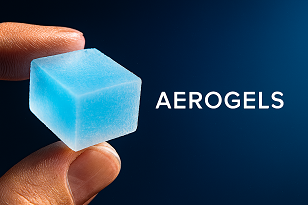
Aerogels are highly porous materials created by replacing the liquid in a gel with air while maintaining the gel’s three-dimensional network. This process makes the final product incredibly lightweight and almost cloud-like in appearance.
Key properties of aerogels include:
- 99% air by volume
- Extremely low density
- High surface area
- Excellent insulation capability
- Lightweight strength
Although nicknamed “frozen smoke” due to their translucent appearance, aerogels are durable enough to withstand pressure without collapsing. This unique combination of featherweight structure and stability is what makes them a true miracle material.
Why 99% Air Makes Them Extraordinary
The secret power of aerogels lies in their composition. Since they are primarily made of air, heat transfer is reduced significantly, which gives aerogels unmatched insulating properties. This trait allows them to outperform conventional materials like fiberglass or foam.
Additionally, being composed mostly of air means they can float on delicate surfaces and provide revolutionary applications in industries where weight reduction is critical, such as aerospace.
The Journey of Aerogels: From Invention to Impact
Aerogels were first invented in the 1930s by Samuel Samuel Kistler. However, their production was expensive and challenging, which confined them to laboratories for many decades.
Today, improvements in techniques and manufacturing scalability have unlocked their potential across industries. With cost-effective methods emerging, aerogels are moving beyond experiments into energy solutions, electronics, construction, and even medicine.
Aerogels in Aerospace: Lighter, Stronger, Safer
One of the most exciting areas where aerogels are used is aerospace. Because aircraft and spacecraft require materials that are light yet reliable, aerogels are perfect candidates.
Applications in aerospace include:
- Thermal insulation for spacecraft, protecting crews from extreme temperatures.
- Impact capture, such as NASA’s use of aerogels to trap comet particles during space missions.
- Weight reduction that improves fuel efficiency in aviation.
By lowering payload weight without compromising safety, aerogels are rewriting design rules for advanced aerospace engineering.
Aerogels in Construction: Buildings of the Future
Energy consumption in buildings is one of the largest contributors to global emissions. Aerogels bring a revolution to the construction industry by offering insulation that is thinner yet more effective than any existing material.
Benefits for construction:
- Maximized energy efficiency
- Thinner wall structures without losing insulation
- Reduced heating and cooling costs
- Sustainable housing solutions
Aerogels used as transparent window insulation even allow natural light to pass through while blocking heat loss, making homes brighter and more eco-friendly.
Aerogels in Energy: Efficiency at Its Best
The energy sector faces two critical challenges: storing energy safely and reducing its loss. Aerogels help overcome both.
Major roles in energy:
- Super-insulation for oil pipelines in cold regions
- Fuel cells and batteries with aerogel electrodes that maximize efficiency
- Solar panels with aerogel layers that let light through while trapping heat
By enabling higher efficiency in storage and transmission, aerogels could become essential in building sustainable energy networks.
Aerogels in Medicine: Healing with Innovation
Remarkably, the same properties that make aerogels powerful in construction and aerospace also benefit the medical world. Their light structure allows new possibilities in drug delivery and healthcare devices.
Potential medical uses:
- Drug carriers with high surface area for controlled release
- Wound healing materials lightweight yet sterile
- Insulation for sensitive biomedical devices
Since aerogels are biocompatible when created from pure silica or polymers, they offer new hope for advanced health solutions.
Aerogels in Everyday Life: How You May Use Them Soon
While they sound futuristic, aerogels are already appearing in consumer products and may soon be part of your daily life.
Everyday uses include:
- Slim thermal jackets with aerogel padding
- Lightweight footwear providing insulation without bulk
- Protective packaging for electronics
- Insulated windows and home materials
As production costs fall, aerogels will shift from laboratories and niche products into homes, clothes, and personal devices.
Environmental Benefits of Aerogels
Perhaps the most inspiring part of aerogels is their environmental potential. Because they are 99% air, production requires less raw material than most traditional insulators or plastics.
Environmental advantages:
- Lower carbon footprint compared to other materials
- Long-lasting insulation that reduces energy needs
- Recyclable and safe when silica-based
- Reduced energy waste in transport and housing
By improving efficiency across multiple sectors, aerogels align perfectly with sustainability goals.
Challenges in Widespread Adoption
Despite their incredible promise, aerogels still face challenges.
- High cost of production: Although costs have dropped, they are still higher than traditional materials.
- Fragility in handling: Some aerogels can be brittle, limiting their applications.
- Limited awareness: Many industries and consumers still do not know about aerogels.
Yet, with advancing research and demand for eco-friendly materials, these barriers are rapidly breaking down.
The Future of Aerogels: What Comes Next
Aerogels hold limitless possibilities for the future. Scientists are continuously experimenting with new formulations, including polymer, carbon, and metal oxide aerogels.
The next breakthroughs may involve:
- Super-batteries powered by aerogels
- Ultra-thin mobile devices with aerogel insulation
- Mass adoption in green construction
- Wearable technology enhanced by aerogel flexibility
As innovation expands, you will likely see aerogels integrated into countless products shaping modern life.
Action Plan: How to Leverage the Aerogel Revolution
Whether you are in business, science, or simply curious, there are clear steps to engage with the aerogel revolution.
- Stay informed: Track breakthroughs in aerogel technology.
- Explore collaborations: Industries such as renewable energy, construction, and textiles can integrate aerogels into their solutions.
- Support sustainability: Choose brands and technologies using aerogels for eco-friendly progress.
- Promote awareness: Spread the word about the 99% air miracle material that can transform industries.
Key Takeaways
- Aerogels are 99% air yet strong, making them the lightest solid in the world.
- They provide unmatched insulation, strength, and sustainability benefits.
- Key industries applying aerogels include aerospace, construction, energy, medicine, and consumer products.
- Although cost and fragility remain challenges, innovation is driving mass adoption.
- Aerogels represent not just material science progress but also a tool for solving global energy and sustainability issues.
Conclusion: The Miracle of Lightness for a Heavier Future
Aerogels prove that sometimes, the lightest solutions carry the heaviest impact. As industries worldwide strive for efficiency, sustainability, and innovation, these 99% air miracle materials provide a clear path forward. By embracing aerogels, humanity can reinvent not only technology but also the way we build, heal, and live. The journey of aerogels is only just beginning—and the future looks lighter, brighter, and stronger because of them.