
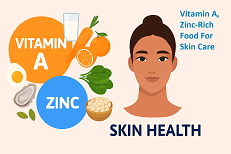
Forget chasing a temporary glow with a new cream. Truly resilient, clear skin is built from within. Consequently, the most powerful skincare ingredients might already be in your kitchen. This article explores the dynamic, evidence-backed partnership between two essential nutrients: zinc and Vitamin A. Together, they form a foundational alliance for skin integrity, clarity, and health. We will guide you through exactly how this duo works and how you can harness their power through your diet.
Why Your Skin Craves This Powerful Nutrient Pair
Your skin is your body’s largest organ, a dynamic barrier constantly defending and renewing itself. Zinc and Vitamin A are co-conspirators in this complex process. Think of zinc as the project manager and Vitamin A as the head architect. Zinc orchestrates cellular repair and immune function. Simultaneously, Vitamin A directs cellular growth and differentiation. Without enough of either, the entire construction project can falter, leading to a compromised barrier, slow healing, and inflammation.
Zinc: The Unsung Hero of Skin Repair and Defense
Zinc operates behind the scenes, but its role is absolutely critical. This mighty mineral is a cofactor for over 300 enzymatic reactions in the body. For your skin, this translates to three key actions. Firstly, it acts as a powerful antioxidant, calming inflammatory fires that can spark breakouts and accelerate aging. Secondly, it directly supports the wound healing process, ensuring your skin can repair itself efficiently from daily wear and tear. Finally, it helps regulate oil production, which is a key factor in managing acne.
The Transformative Role of Vitamin A in Skin Health
Vitamin A is the master regulator of cellular turnover. This process is the skin’s natural renewal system, where fresh, new skin cells replace old, dead ones. When Vitamin A is plentiful, this cycle happens smoothly. The result is a smoother, brighter complexion. Furthermore, Vitamin A is essential for the production of glycosaminoglycans, the molecules that help your skin retain moisture. Ultimately, this vital nutrient strengthens the very foundation of your skin, leading to a more resilient and hydrated appearance.
How Zinc and Vitamin A Create a Synergistic Skin Boost
Individually, these nutrients are impressive. Together, they are transformative. Their partnership is a perfect example of nutritional synergy. Zinc is fundamentally required to synthesize retinol-binding protein. This protein is the shuttle that transports Vitamin A through your bloodstream to your skin cells. Without sufficient zinc, your body simply cannot utilize Vitamin A effectively, no matter how much you consume. Therefore, this partnership ensures that the architect’s blueprints are successfully delivered to the construction site.
Top Food Sources to Amplify Your Zinc Intake
Boosting your zinc levels is a delicious and simple endeavor. Focus on incorporating these whole foods into your weekly meals. They are the most bioavailable sources of this crucial mineral.
- Oysters are the undisputed champion, offering a remarkably high concentration of zinc in just one serving.
- Pumpkin seeds provide a fantastic plant-based option and make for an easy, portable snack.
- Chickpeas and lentils are versatile legumes that deliver a solid dose of zinc along with beneficial fiber.
- Grass-fed beef and other red meats offer a highly absorbable form of zinc, perfect for omnivores.
- Cashews and hemp seeds are additional nutrient-dense nuts and seeds that support your daily zinc goals.
Your Practical Guide to Vitamin A Rich Foods
Vitamin A comes in two primary forms in our diet: preformed Vitamin A (retinol) from animal sources and provitamin A (beta-carotene) from plant sources. Your body converts beta-carotene into active Vitamin A. For optimal skin health, aim for a colorful mix of both.
- Sweet potatoes are a nutritional powerhouse, packed with beta-carotene that gives them their vibrant orange hue.
- Carrots are another excellent source of beta-carotene, famously supporting both skin and eye health.
- Spinach and kale are dark leafy greens that provide a wealth of provitamin A and other skin-loving antioxidants.
- Beef liver is an exceptionally concentrated source of preformed Vitamin A, so a little goes a very long way.
- Butternut squash, with its sweet and nutty flavor, is a delicious way to boost your beta-carotene intake during colder months.
Building a Skin-Supportive Plate: Vitamin A and Zinc
Knowing which foods to eat is one thing. Knowing how to combine them is where the magic happens. Here is a practical guide to creating meals that actively leverage the zinc and Vitamin A partnership for your skin.
Start your day with a spinach and sweet potato breakfast hash topped with two eggs. For lunch, consider a vibrant salad with chickpeas, carrots, and a tahini-lemon dressing. Finally, a satisfying dinner could be a carrot and ginger soup served with a side of roasted pumpkin seeds. Another excellent option is a chickpea and sweet potato curry served over a bed of brown rice. The key is to consistently pair zinc-rich foods with Vitamin A sources throughout your day.
Navigating Absorption: Maximizing Your Nutrient Uptake
You can eat all the right foods, but proper absorption is the final step. Fortunately, you can take simple actions to ensure your body makes the most of these nutrients. For instance, the fat-soluble nature of Vitamin A means you should always consume it with a source of healthy fat. Think avocado, olive oil, or nuts. Additionally, soaking beans and grains before cooking can improve zinc bioavailability. Conversely, be mindful that very high doses of supplemental iron can potentially interfere with zinc absorption.
Common Signs You Might Be Lacking These Key Nutrients
Your skin often sends the first signals of a nutritional shortfall. A deficiency in zinc or Vitamin A can manifest in specific, noticeable ways. Pay attention to these potential signs.
- Persistent acne or inflammatory skin conditions may indicate a zinc deficiency.
- Delayed wound healing and frequent skin infections can also point to low zinc status.
- Notably, dry, flaky skin and bumpy skin texture (often on the arms) are classic signs of low Vitamin A.
- Poor night vision and persistent dry eyes are other well-known symptoms of inadequate Vitamin A.
Beyond the Hype: A Realistic View on Supplements
While food should always be your foundation, there are circumstances where supplements can be helpful. However, they require caution. Supplementing with zinc can cause nausea and, if taken long-term, can lead to copper deficiency. Similarly, excessive preformed Vitamin A from supplements is toxic and can cause serious health issues. Therefore, you should always consult with a healthcare professional before starting any new supplement regimen. They can help you identify a true deficiency and determine a safe, effective dosage.
Frequently Asked Questions
Can I use topical Vitamin A (retinol) instead of eating it?
Topical retinol addresses surface-level concerns like wrinkles, while dietary Vitamin A works from within to build foundational skin health. They are complementary, not interchangeable.
How long does it take to see skin improvements from dietary changes?
Skin cell turnover takes about 4-6 weeks. Consequently, you may begin to notice improvements in texture and clarity within one to two months of consistent dietary changes.
Are there any risks of getting too much Vitamin A from food?
It is very rare to get too much preformed Vitamin A from food alone. However, your body efficiently regulates the conversion of beta-carotene from plant sources, making it a very safe form.
Which is more important for acne, zinc or Vitamin A?
Both are crucial. Zinc tackles inflammation and oil regulation, while Vitamin A normalizes cell turnover. They work best as a team to address the root causes of acne.
Can a vegetarian diet provide enough zinc for healthy skin?
Yes, but it requires intention. Plant sources like legumes, nuts, and seeds contain zinc, though it is less bioavailable. Soaking these foods and eating a varied diet is key.
Disclaimer: This article is for informational purposes only and is not a substitute for professional medical advice.