
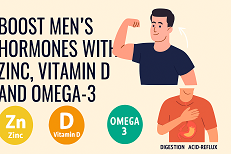
Feeling off your game? It’s not just in your head. Consequently, your energy, mood, and drive are deeply wired into your body’s biochemical engine. That engine runs on specific fuels. Forget quick fixes and mystery supplements. True vitality comes from mastering the fundamentals. This article cuts through the noise to focus on three nutritional powerhouses: zinc, vitamin D, and omega-3 fats. Together, they form a powerful trinity for optimizing male hormone function and overall health.
Why Your Hormone Health is the Keystone of Vitality
Think of your hormonal system as your body’s command and control center. It dictates everything from your muscle mass and metabolism to your cardiovascular resilience and mental sharpness. When this system is in sync, you feel unstoppable. However, when it’s out of balance, you can feel the drag. The goal isn’t just to boost one number; it’s to create a state of harmonious function. Therefore, supporting this delicate system with the right nutrients is the most powerful step you can take.
Zinc: The Unsung Hero of Male Hormone Production
Zinc is the master craftsman in the workshop of male vitality. Your body cannot manufacture or store it well, making daily intake absolutely crucial. This mighty mineral is directly involved in the very production of your primary male hormone. Furthermore, it acts as a key regulator, ensuring your body’s signals are clear and effective.
- Direct Production Line: Zinc is essential for the synthesis and release of your primary male hormone.
- Metabolic Guardian: It supports the conversion of nutrients into usable energy, not fat.
- Immune Sentinel: A robust immune system relies on zinc to function properly, keeping you active.
Where to Find Your Daily Dose of Zinc
Fortunately, loading up on zinc is both simple and delicious. Focus on whole, nutrient-dense foods. For instance, just a single serving of oysters can provide well over your daily requirement.
- Oysters (the ultimate source)
- Lean beef and lamb
- Pumpkin seeds and chickpeas
- Dark chocolate (a delicious bonus)
Vitamin D: More Than Just a Sunshine Hormone
Vitamin D is misnamed. It’s actually a pro-hormone. Your skin produces it from sunlight, and then your body activates it to perform like a hormone itself. Modern indoor lifestyles have created a widespread deficiency. This is a major problem for men’s health because vitamin D receptors are found in virtually every tissue, including those responsible for hormone production.
How Vitamin D Orchestrates Hormone Harmony
This nutrient works as a master regulator. It doesn’t just stimulate production; it helps create an environment where your hormones can function optimally. Studies consistently show a strong correlation between healthy vitamin D levels and robust hormonal function. Additionally, it modulates inflammation, which is a known disruptor of hormonal balance.
Omega-3s: The Cardio-Strong Fats for Better Blood Flow and Hormone Balance
Not all fats are created equal. Omega-3 fatty acids, particularly EPA and DHA, are structural fats. They become part of your cell membranes, making them flexible and fluid. This is critical for vascular health, as it allows blood vessels to relax and dilate. Improved blood flow is essential for nutrient delivery and hormonal transport. Moreover, these powerful fats are potent anti-inflammatories.
The Direct Link Between Omega-3s and Hormone Health
Chronic inflammation can throw a wrench into your hormonal machinery. By cooling systemic inflammation, omega-3s protect the very cells that produce and regulate your hormones. Therefore, they support the entire system indirectly but powerfully. They also play a role in brain health, which is intimately connected to hormonal signaling.
- Vascular Support: Omega-3s improve endothelial function, enhancing blood flow.
- Inflammation Control: They reduce the production of pro-inflammatory compounds.
- Brain Boost: DHA is a primary structural component of your brain.
Building Your Performance Plate: A Practical Guide
Theory is good, but action is better. So, how do you bring this trinity together at mealtime? The goal is to construct a “Performance Plate” at every meal. This isn’t a rigid diet; it’s a simple framework for making powerful food choices.
- Include a Zinc Source: Add a palm-sized portion of lean meat, a handful of pumpkin seeds, or legumes.
- Don’t Shy from Healthy Fats: Incorporate fatty fish like salmon, a tablespoon of flaxseed on your yogurt, or walnuts in your salad.
- Support with Color: Fill half your plate with non-starchy vegetables for fiber and antioxidants.
Sample Meal Combinations for Hormone Support
Here are three simple ideas to get you started today. These combinations strategically combine the vital nutrients.
- Lunch: A large spinach salad with grilled salmon, avocado, and a lemon-olive oil dressing.
- Dinner: Lean beef chili with kidney beans and a side of steamed broccoli.
- Snack: Full-fat Greek yogurt mixed with pumpkin seeds and a few dark chocolate chips.
Beyond Hormones: The Surprising Benefits of Heat Management and Sleep
The impact of this nutritional trinity extends far beyond hormone production. Interestingly, these nutrients also play a role in two often-overlooked areas of male vitality: heat management and sleep quality.
Cooling the Engine with Smart Nutrition
Feeling constantly overheated or sweating excessively? Zinc is a key player in temperature regulation. Furthermore, the anti-inflammatory action of omega-3s can help reduce the metabolic “heat” caused by inflammation. Consequently, balancing your nutrients can lead to a more comfortable and regulated body temperature.
How Zinc and Omega-3s Pave the Way for Deeper Sleep
Restorative sleep is non-negotiable for hormone health. Vitamin D receptors in the brain help regulate your sleep-wake cycle. Simultaneously, omega-3s are linked to the production of melatonin, your sleep hormone. Therefore, by supporting your nutrient levels, you are actively investing in higher-quality sleep.
Common Pitfalls That Deplete Your Vitality Nutrients
Even with a good diet, certain lifestyle factors can work against you. Being aware of these allows you to make smarter choices. For example, excessive alcohol consumption can impair zinc absorption and vitamin D activation.
- Chronic Stress: High cortisol levels can disrupt hormonal pathways and deplete nutrients.
- Over-Training: Intense exercise without proper recovery can lower zinc levels and increase inflammation.
- Processed Foods: These are often devoid of nutrients and can promote inflammation.
Your Action Plan for a Vitality-Fueled Lifestyle
Knowledge is powerless without action. Start with one small, sustainable change. Perhaps you can add a serving of fatty fish to your diet twice a week. Alternatively, you could spend 15 minutes in the midday sun without sunscreen. The key is consistency, not perfection.
When to Consider Testing and Supplementation
While food should always be your foundation, supplementation can be a useful tool. If you suspect a deficiency, the best first step is to speak with a healthcare provider. They can order a simple blood test to check your vitamin D and zinc status. Therefore, you can make an informed decision based on your personal needs.
Frequently Asked Questions
1. Can I get enough vitamin D from food alone?
It is very difficult. Fatty fish and fortified foods help, but sensible sun exposure and supplementation are often necessary to achieve optimal levels.
2. What is the best plant-based source of omega-3s?
Flaxseeds, chia seeds, and walnuts are excellent. However, your body must convert their ALA into EPA and DHA, which is an inefficient process.
3. Are there any symptoms of zinc deficiency?
Yes, common signs include a weakened immune system, slow wound healing, and a loss of smell or taste.
4. How long does it take to see improvements in hormone health?
Hormonal changes are gradual. Consequently, you may notice subtle improvements in energy and sleep within a few weeks, but significant rebalancing can take three to six months.
5. Can I take a combined supplement for all three?
While combo supplements exist, it is often better to address each nutrient individually based on your specific needs and blood test results.
Disclaimer: This article is for informational purposes only and is not a substitute for professional medical advice.