
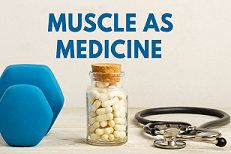
We often think of medicine as something we find in a bottle. However, your body produces its own most powerful remedy. That remedy is muscle. This active tissue is a metabolic master, an endocrine organ, and a shield against chronic disease. Consequently, building strength isn’t just about aesthetics. It’s a fundamental strategy for lifelong health. This guide will show you how to prescribe yourself this powerful medicine through smart, efficient workouts.
Why Your Muscle Is More Than Just Strength
Skeletal muscle is far from inert. It’s a dynamic, metabolically hungry tissue that communicates with your entire body. When you engage your muscles through resistance training, they release molecules called myokines. Think of these as healing messengers.
These myokines travel through your bloodstream, exerting powerful effects. They reduce inflammation, improve insulin sensitivity, and even enhance brain function. Therefore, every rep you perform is like sending a dose of repair serum throughout your system. Building muscle builds a more resilient you.
The Prescription for Muscle Strength in Modern World
Our sedentary lives are making us sick. We face an epidemic of low muscle mass, or sarcopenia, even in people who are not underweight. This condition is linked to a higher risk of falls, fractures, type 2 diabetes, and heart disease.
Fortunately, the antidote is accessible. You don’t need to live in a gym. Instead, you need a strategic, consistent approach. This approach turns your muscle into a daily dose of preventive medicine.
The Foundational Dose: Your Twice-Weekly Muscle Strength Protocol
Consistency trumps complexity. For most people, the most sustainable and effective plan involves two full-body strength sessions per week. This frequency provides a potent stimulus for growth without overwhelming your schedule or recovery capacity.
Each session should last roughly 30 to 45 minutes. This timeframe is long enough to be effective yet short enough to fit into a busy life. The key is intensity and focus during that window.
Your Essential Medicine Cabinet of Movements
Your workouts should be built around compound exercises. These multi-joint movements recruit the most muscle mass, giving you the biggest metabolic bang for your buck.
- The Squat: Your body’s prime mover for building lower body power and resilience.
- The Hinge: Master the deadlift or its variations to fortify your posterior chain.
- The Push: Exercises like push-ups and overhead presses build critical upper body strength.
- The Pull: Rows and pull-ups balance your posture and create a strong back.
- The Carry: Farmer’s walks build phenomenal core stability and real-world strength.
A sample session might include three sets of squats, rows, and overhead presses, followed by a set of farmer’s walks. This combination efficiently works your entire body.
Beyond the Gym: Fueling Your Muscle Medicine
Your workouts provide the stimulus. However, your nutrition provides the building blocks. Without the right fuel, your body cannot effectively build or maintain its metabolic pharmacy.
Protein is the most critical nutrient for muscle repair and growth. It provides the amino acids your body uses to rebuild damaged muscle fibers after a workout. Consequently, your protein intake needs to be strategic.
The Protein Pulse Feeding Strategy
For optimal muscle protein synthesis, distribute your intake throughout the day. Aim for 25-35 grams of high-quality protein per meal. This approach “pulses” the amino acids your muscles need to rebuild.
Excellent protein sources include lean chicken, fish, eggs, Greek yogurt, and legumes. Furthermore, a protein shake post-workout can be a convenient way to hit your target. Remember, this isn’t about excessive calories. It’s about targeted nutrition.
The Metabolic Power-Up: Introducing Creatine
If there were a safe, well-researced, and effective supplement for strength and health, would you take it? That supplement is creatine. It’s not just for bodybuilders; it’s a legitimate health supplement.
Creatine is a natural compound stored in your muscles. It helps regenerate your body’s primary energy molecule, ATP. This means better performance during your workouts. Additionally, research shows it may support cognitive function and bone health.
How to Harness Creatine’s Benefits
Supplementing with creatine monohydrate is simple and affordable. A common protocol is to take 5 grams per day. You can mix it into water, juice, or a protein shake. There is no need for a loading phase. Simply consistency is key.
It is one of the most studied supplements in the world and is remarkably safe for healthy individuals. Therefore, it’s a powerful tool in your muscle medicine cabinet.
The Silent Healer: Why Sleep Is Non-Negotiable
You build muscle when you rest, not when you workout. During deep sleep, your body enters a state of repair and recovery. This is when the magic truly happens.
Growth hormone pulses during sleep, facilitating muscle repair and growth. Conversely, poor sleep elevates cortisol, a stress hormone that can break down muscle tissue. Skimping on sleep effectively cancels out your hard work in the gym.
Prioritizing Your Recovery Sleep
Aim for 7-9 hours of quality sleep per night. Establish a consistent sleep schedule, even on weekends. Make your bedroom cool, dark, and quiet. Furthermore, avoid screens and heavy meals before bed. Treat your sleep with the same importance as your workout.
Your First Week on the Muscle Medicine Plan
Starting a new routine can feel daunting. Let’s break it down into an actionable first week.
- Day 1: Perform your first full-body workout. Focus on learning the movements with good form.
- Day 2: Active recovery. Go for a 30-minute walk.
- Day 3: Rest day. Prioritize protein and hydration.
- Day 4: Your second full-body workout. Try to add a little more weight or one more rep.
- Day 5: Active recovery. Try gentle stretching or yoga.
- Day 6: Rest day.
- Day 7: Plan and prepare for the week ahead.
Remember, progress is the goal, not perfection. The most important step is the first one.
Listening to Your Body’s Feedback
Muscle soreness is normal. Sharp pain is not. Learning this distinction is crucial for long-term success. Your muscle medicine should make you feel more capable, not broken.
If you feel a sharp, shooting, or joint-specific pain, stop immediately. Consult a physical therapist or doctor. Conversely, general muscle fatigue and mild soreness are signs of an effective stimulus. Listen to your body’s signals; it is your most important coach.
Your Prescription for a Stronger, Healthier Life
Using muscle as medicine is a paradigm shift. It moves fitness from the realm of vanity to the realm of vitality. Every squat, every gram of protein, and every good night’s sleep is an investment in your functional future.
You hold the prescription. You are the architect of your own resilience. Start with two sessions this week. Fuel your body wisely. Honor your sleep. You are not just building muscle. You are building your body’s best defense.
Frequently Asked Questions (FAQs)
1. I’m over 60. Is it too late to build muscle?
It is never too late. Resistance training is critically important for aging populations to maintain independence and prevent frailty.
2. Can I do this if I don’t have a gym membership?
Absolutely. You can use bodyweight exercises like squats, push-ups, and inverted rows, or resistance bands for an effective workout at home.
3. Will this make me “bulky”?
No. Building significant muscle mass requires a very specific, high-volume training and nutrition plan. For most, this protocol creates a toned, strong, and metabolically healthy physique.
4. What if I miss a workout?
Simply pick up where you left off. Consistency over the long term is what matters, not perfection every single week.
5. Is creatine safe for women?
Yes, creatine is safe and equally effective for women. It supports strength gains without causing bloating or weight gain beyond normal muscle hydration.
Disclaimer: This article is for informational purposes only and does not constitute medical advice.