
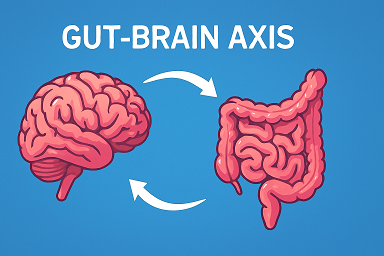
How to Master Your Gut-Brain Axis: An Introduction
Have you ever felt “butterflies” in your stomach from nervousness? Conversely, have you ever experienced a “gut feeling” about a decision? These common sensations are not just metaphors; instead, they are tangible signs of your gut-brain axis in action. This intricate, bidirectional communication network links your enteric nervous system (often called the “second brain”) with your central nervous system.
Consequently, the health of your gut directly influences your brain, and vice versa. Furthermore, by understanding this connection, you can unlock a powerful synergy between your digestion, mood, and immunity. This article will therefore provide a practical guide to mastering this system through targeted lifestyle choices.
Understanding the Communication Superhighway
Firstly, it is essential to grasp how this connection works. Your gut and brain are in constant conversation through multiple pathways. Primarily, they communicate via the vagus nerve, which acts as a major information cable. Additionally, your gut microbes produce a vast array of neurochemicals.
For instance, about 95% of your body’s serotonin, a crucial neurotransmitter for mood and sleep, is actually produced in the digestive tract. Moreover, the immune system plays a critical role by releasing inflammatory molecules that can directly affect brain function. Ultimately, this complex system means that an unhappy gut can signal an unhappy mind, and similarly, a stressed brain can lead to digestive distress.
Fueling the Axis with Dietary Powerhouses
Without a doubt, your diet is the most powerful tool for influencing your gut-brain connection. Specifically, the foods you eat determine which microbes thrive, thereby shaping the messages sent to your brain.
The Mighty Role of Dietary Fiber
Dietary fiber, particularly prebiotic fiber, is non-negotiable for a healthy gut. Importantly, you cannot digest prebiotics yourself; however, they serve as the primary fuel for your beneficial gut bacteria.
- Fermentation Process: When your good bacteria ferment fiber, they produce short-chain fatty acids (SCFAs) like butyrate.
- Benefits of SCFAs: These SCFAs then strengthen the gut lining, reduce body-wide inflammation, and may even cross the blood-brain barrier to support brain health.
- Actionable Tip: To boost your intake, aim for a diverse range of high-fiber plants weekly.
Excellent Prebiotic Fiber Sources:
- Garlic and onions
- Leeks and asparagus
- Bananas (especially slightly green ones)
- Jerusalem artichokes
- Oats and barley
The Magic of Fermented Foods
In addition to fiber, fermented foods are vital for microbial diversity. They are teeming with live, beneficial bacteria (probiotics) that can temporarily colonize your gut.
- Diversity Boost: Regularly consuming these foods introduces a wider variety of bacterial strains.
- Research Backing: A landmark Stanford study found that a diet high in fermented foods led to increased gut microbiome diversity and significantly reduced inflammatory markers.
- Actionable Tip: Incorporate one or two servings of fermented foods into your daily diet.
Easy-to-Find Fermented Foods:
- Yogurt and kefir
- Sauerkraut and kimchi
- Kombucha
- Miso and tempeh
Managing Stress for a Happier Gut
Unfortunately, chronic stress is a major disruptor of the gut-brain axis. When you are stressed, your body releases hormones like cortisol and adrenaline. Consequently, these hormones can directly impact your gut in several negative ways.
- Altered Gut Motility: Stress can speed up or slow down digestive contractions, leading to diarrhea or constipation.
- Increased Permeability: It can make the gut lining more “leaky,” allowing particles into the bloodstream that trigger inflammation.
- Microbiome Shifts: High stress can suppress the growth of beneficial bacteria, allowing less desirable microbes to flourish.
Practical Stress-Buffering Techniques
Therefore, actively managing stress is not a luxury; it is a necessity for gut health. Here are some evidence-based methods to build resilience:
- Diaphragmatic Breathing: This simple practice activates the vagus nerve, shifting your body into a “rest-and-digest” state. Practice for 5 minutes, twice daily.
- Mindfulness and Meditation: Regular practice can lower cortisol levels and reduce the emotional impact of stress.
- Nature Immersion: A walk in a park or forest can lower stress hormones and reduce rumination.
- Regular Movement: Exercise is a powerful stress reliever, but avoid intense workouts when overly stressed, as they can be counterproductive.
Prioritizing Sleep for Digestive and Mental Renewal
Sleep is the third critical pillar for gut-brain axis mastery. During sleep, your body enters a state of repair and detoxification. This process is equally essential for your brain and your gut.
- Circadian Rhythm Sync: Your gut microbes have their own daily rhythms, which are synchronized by your sleep-wake cycle.
- Glymphatic System Activation: During deep sleep, your brain’s waste-clearance system becomes highly active, flushing out toxins linked to neurodegenerative diseases.
- Consequence of Disruption: Poor sleep, conversely, disrupts gut microbiome balance and increases permeability, creating a vicious cycle that harms both digestion and mood.
Tips for Gut-Friendly Sleep Hygiene
To support this nightly renewal, you need to prioritize good sleep hygiene.
- Consistent Schedule: Go to bed and wake up at roughly the same time, even on weekends.
- Create a Wind-Down Routine: One hour before bed, dim the lights and avoid screens. Instead, read a book or listen to calming music.
- Finish Eating Early: Allow at least 2-3 hours between your last meal and bedtime to enable your gut to rest overnight.
- Keep it Cool and Dark: A cool, dark, and quiet room is optimal for promoting deep, restorative sleep.
The Ultimate Synergy: Immunity, Mood, and Digestion
When you nurture your gut-brain axis, you create a powerful positive feedback loop. This synergy extends far beyond just your stomach and your feelings.
- Immunity Connection: A staggering 70-80% of your immune cells reside in your gut. Consequently, a healthy, diverse microbiome helps train these cells and regulates immune responses, protecting you from illness.
- Mood Regulation: As mentioned, the gut produces most of your serotonin. A well-functioning gut, therefore, is fundamental for stable mood, anxiety management, and emotional resilience.
- Cognitive Function: The anti-inflammatory SCFAs from fiber fermentation help protect the brain, potentially supporting memory and focus.
In essence, by caring for your gut, you are simultaneously investing in a robust immune system and a calmer, sharper mind.
Your Action Plan to Master the Gut-Brain Axis
Implementing these strategies doesn’t have to be overwhelming. Here is a simple, one-week action plan to get started.
This Week’s Goals:
- Monday: Add one serving of a fermented food (e.g., yogurt) to your breakfast.
- Tuesday: Include two different colored vegetables with your dinner for extra fiber.
- Wednesday: Practice 5 minutes of deep belly breathing before lunch.
- Thursday: Swap a refined grain for a whole grain (e.g., brown rice instead of white).
- Friday: Turn off all screens 30 minutes earlier than usual to improve sleep.
- Saturday: Go for a 20-minute walk in nature, without your phone.
- Sunday: Plan your meals for the week, ensuring you have prebiotic and probiotic foods on your shopping list.
Key Takeaways and Conclusion
In conclusion, mastering your gut-brain axis is one of the most impactful things you can do for your overall well-being. This powerful connection means that your digestive health is inextricably linked to your mental state and immune strength.
Key Takeaways to Remember:
- Your gut and brain communicate constantly via nerves, hormones, and immune signals.
- Dietary fiber feeds your beneficial gut bacteria, which produce health-promoting compounds.
- Fermented foods directly increase the diversity of your gut microbiome.
- Stress management is crucial to prevent negative signals from disrupting your gut.
- Quality sleep allows both your brain and gut to repair and re-synchronize.
Start small, be consistent, and listen to your body. By making conscious choices to support this incredible internal network, you can harness the natural synergy for better digestion, a brighter mood, and a stronger immune system.