
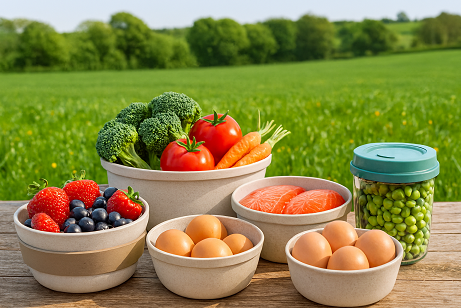
Eating well doesn’t have to drain your wallet or take endless hours in the kitchen. With reusable meal templates, you can simplify your diet, cut costs, and still enjoy flavorful and nutritious food every day. These flexible food blueprints enable you to mix and match ingredients quickly, keeping your grocery bill low and your health goals on track. By reusing these templates week after week, you save time, reduce food waste, and eat better without overthinking every meal.
In this guide, we will explore 10 reusable meal templates that are budget-friendly, easy to prepare, and highly adaptable to your tastes, dietary needs, and seasonal produce.
Why Choose Reusable Meal Templates?
While traditional recipes are great, meal templates give you something more valuable — structure with flexibility. Instead of starting from scratch each day, you keep a basic formula and simply switch the ingredients. This saves money, reduces decision fatigue, and ensures variety without extra planning.
Benefits of reusable meal templates:
- Save money by reusing pantry staples and seasonal produce.
- Reduce food waste by creating multiple dishes from the same ingredients.
- Eat balanced meals without needing strict recipes.
- Adapt easily to dietary needs such as vegetarian, vegan, or high-protein.
- Simplify weekly meal planning and grocery shopping.
10 Reusable Meal Templates
1. Grain Bowl Template
Grain bowls are endlessly customizable, affordable, and nutrient-packed.
Formula:
- Base: Cooked whole grain (rice, quinoa, brown rice, millet, farro)
- Protein: Beans, lentils, tofu, chicken, boiled eggs, or fish
- Vegetables: Roasted, steamed, or fresh (broccoli, spinach, carrots, peppers)
- Dressing: Simple vinaigrette, tahini, or yogurt-based sauce
- Extras: Nuts, seeds, avocado
Tip: Cook a large batch of grains at the start of the week and reuse them across several meals.
2. Stir-Fry Template
Stir-fries are quick, affordable, and ideal for using up leftover vegetables.
Formula:
- Base: Rice, noodles, or grain of choice
- Protein: Chicken, shrimp, tofu, tempeh, or beef strips
- Vegetables: Whatever is in season or in your fridge (bell peppers, broccoli, zucchini, mushrooms)
- Sauce: Soy sauce, garlic, ginger, sesame oil, or peanut sauce
Tip: Buy frozen veggie mixes for even more cost savings and less prep.
3. Soup or Stew Template
Soups are comfort food, stretch ingredients well, and freeze easily.
Formula:
- Base: Water, stock, or coconut milk
- Protein: Lentils, beans, chicken, turkey, or seafood
- Vegetables: Leafy greens, root veggies, or mixed seasonal produce
- Flavor: Spices, herbs, garlic, onion, tomato paste
- Thickener: Rice, potatoes, or grains for heartiness
Tip: Big-batch soups save both money and time — and they reheat perfectly.
4. Salad Template
Fresh, crunchy, and endless in variety, salads can be much more than lettuce.
Formula:
- Base: Leafy greens, shredded cabbage, spinach, or mixed greens
- Protein: Chickpeas, beans, grilled meat, tempeh, or cheese
- Vegetables: Cucumbers, tomatoes, carrots, peppers, or corn
- Dressing: Oil + acid (lime, lemon, vinegar) with spices
- Add-ons: Seeds, nuts, croutons, boiled eggs, or dried fruit
Tip: Prep veggies in advance to make assembling salads effortless.
5. Wrap or Sandwich Template
Wraps are portable, budget-friendly, and highly versatile.
Formula:
- Base: Whole-wheat tortillas, pita bread, or flatbread
- Protein: Hummus, beans, eggs, grilled chicken, or fish
- Vegetables: Leafy greens, shredded carrots, cucumbers, sprouts
- Sauce: Yogurt dips, guacamole, salsa, or mustard
Tip: Use leftovers as sandwich fillings to reduce waste.
6. Pasta Template
Affordable and satisfying, pasta dishes can be healthy with smart choices.
Formula:
- Base: Whole-grain or lentil-based pasta
- Protein: Beans, seafood, ground turkey, tofu, or chicken
- Vegetables: Mushrooms, spinach, zucchini, tomatoes, or onions
- Sauce: Tomato-based, pesto, olive oil + garlic, or creamy yogurt sauce
- Topping: Parmesan, seeds, or herbs
Tip: Mix pasta with more veggies than noodles to boost nutrition.
7. Sheet Pan Meal Template
Easy cleanup and full flavor make sheet-pan meals a busy cook’s best friend.
Formula:
- Base: Starch like potatoes, sweet potatoes, or cauliflower
- Protein: Salmon, sausage, chicken thighs, tofu
- Vegetables: Any mix of seasonal (carrots, Brussels sprouts, broccoli, bell pepper)
- Seasoning: Olive oil, spices, herbs, garlic
Tip: Cook once and save portions for lunch the next day.
8. Omelet or Egg Dish Template
Eggs are cheap, protein-packed, and endlessly customizable.
Formula:
- Base: Beaten eggs or egg whites
- Fillings: Spinach, mushrooms, peppers, onions, or tomatoes
- Protein: Beans, ham, tofu, or cheese
- Flavor: Fresh herbs, spices, salsa, or hot sauce
Tip: Cook in muffin tins to make grab-and-go breakfasts.
9. Curry Template
Curries are deeply flavorful yet inexpensive when built around vegetables and pantry staples.
Formula:
- Base: Tomato sauce, coconut milk, or yogurt
- Protein: Lentils, beans, paneer, chicken, or fish
- Vegetables: Cauliflower, spinach, peas, potatoes, eggplant
- Spice mix: Curry powder, turmeric, cumin, coriander, garlic, ginger
- Side: Rice, naan, or flatbread
Tip: Make a big batch of curry paste and freeze for quick meals later.
10. Smoothie Template
Perfect for breakfast, snacks, or quick energy.
Formula:
- Base: Milk, yogurt, or plant-based alternatives
- Fruits: Bananas, berries, mango, apples, or seasonal fruits
- Greens: Spinach, kale, or celery
- Protein: Protein powder, oats, nut butter, or seeds
- Extras: Honey, cinnamon, cocoa powder
Tip: Freeze fruit to cut waste and reduce smoothie costs.
How to Maximize Savings with Meal Templates
Using reusable meal templates isn’t just about food variety. When applied strategically, they can significantly reduce food costs and time spent in the kitchen.
Smart strategies for spending less:
- Buy seasonal produce — cheaper and fresher.
- Choose versatile staples like rice, oats, beans, and eggs.
- Plan meals around discounted items at your local store.
- Reuse leftovers by incorporating them into new templates.
- Cook in batches to save energy and reduce food waste.
Weekly Meal Planning with Templates
Here’s an example plan showing how to rotate these reusable meal templates for a balanced, wallet-friendly week:
- Monday: Grain bowl with quinoa, chickpeas, and roasted veggies
- Tuesday: Stir-fry with noodles, tofu, and mixed vegetables
- Wednesday: Lentil soup with kale and bread
- Thursday: Chickpea salad with lemon dressing
- Friday: Wrap with shredded chicken, spinach, and salsa
- Saturday: Sheet pan salmon with broccoli and sweet potatoes
- Sunday: Curry with paneer, spinach, and rice
By cycling these meal templates, you eat balanced meals without repeating the same flavors daily.
Key Takeaways and Action Plan
- Focus on reusable meal templates rather than unique recipes for every meal.
- Mix and match affordable ingredients for endless flavor combinations.
- Batch cook staples like grains, beans, and soups to save time.
- Plan weekly meals using a template rotation system.
- Keep it simple — the goal is to spend less, eat better, and reduce stress.
Quick Action Plan:
- Pick 3–4 meal templates you enjoy.
- Stock up on affordable staples (beans, rice, eggs, seasonal vegetables).
- Batch cook one or two items (grains, beans, soup base) each week.
- Use leftovers creatively in wraps, salads, or smoothies.
- Repeat weekly while adding small variations for variety.
By using these 10 reusable meal templates, you not only cut down expenses but also unlock a stress-free way of eating better every day.